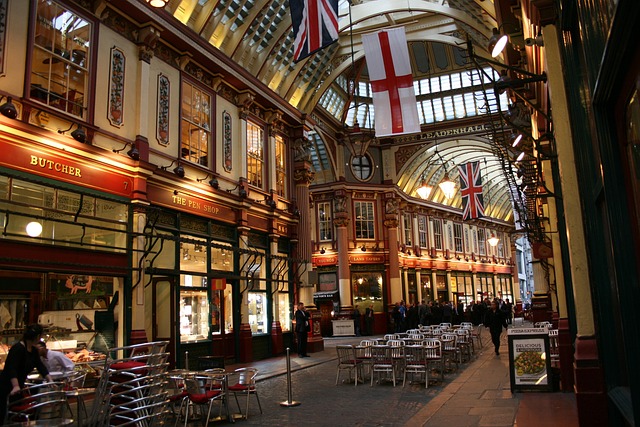
Hackney’s own licensing papers note the losses while considering a return to the policy that presumes against new late-night licences
Shoreditch Venue Closures and Hackney’s Cumulative Impact Debate
There is a phrase in a set of council papers that I have not been able to get out of my head. It appears in a summary of a Hackney Licensing Committee meeting from February of last year. The board that oversees the borough’s late night levy, the summary says, met and discussed patrols, a local pubwatch group and record numbers of venue closures in Shoreditch.
Record numbers. In Shoreditch. The neighbourhood that for twenty years has been shorthand across Europe for a night out.
The same meeting had another item. It was scheduled to consider whether or not to introduce Cumulative Impact Assessments in Shoreditch and Dalston. So on one agenda: venues are shutting at an unprecedented rate, and should we bring back the policy that makes it harder to open new ones?
What a Cumulative Impact Policy Is
The jargon needs unpacking. Under licensing law, a council can decide that an area has so many licensed premises that adding more would harm what the Act calls the licensing objectives: preventing crime and disorder, public safety, preventing public nuisance and protecting children from harm.
Where it makes that finding, a different rule applies. As Hackney’s 2023 consultation on its licensing policy explained, there is a presumption to refuse applications in such an area unless the applicant can demonstrate that their proposal will not add to the cumulative impact already being experienced. The burden shifts. The newcomer has to prove they will not make things worse.
Hackney used to have exactly this, under the name Special Policy Area. The committee summary notes that Shoreditch and Dalston were previously designated, but that the designations lapsed in 2018 when the legal process changed. The question before councillors was whether to reinstate them on the new footing.
Two Problems at Once
What makes this interesting is that the council is being pulled in opposite directions by two real problems.
The first is the old one. Residents in and around the Shoreditch triangle have for years complained about noise, street drinking, people being sick in doorways and the general misery of living above a party you were not invited to. Those complaints have not gone away.
The second is newer. Venues are closing. The causes are well known across the hospitality trade: rents, energy bills, wage costs, business rates, customers with less money who go out less and drink less when they do. Younger people in particular are spending differently.
Does One Policy Fit Both?
If the worry is too many venues, a presumption against new licences makes sense. If the worry is too few, it looks perverse.
The answer the council seems to have been feeling toward is that the two can coexist, because the problems are in different hours. The committee papers included a proposal that the Shoreditch assessment should not apply to small restaurants with no more than fifty covers that close by eleven on weekdays and midnight at weekends.
That suggests a view of what is wanted: more places to eat in the evening, fewer new places to drink until three.
The Trade’s View
Operators have argued for years that cumulative impact policies protect incumbents and freeze an area. A venue that already holds a late licence becomes more valuable because nobody can get a new one. Fresh ideas and new entrants, who are what made Shoreditch interesting, are kept out. Meanwhile existing venues close for reasons unrelated to licensing, and are not replaced.
They would add that a closed venue does not become a quiet flat. It often becomes an empty unit, which is worse for a street than a bar.
The Residents’ View
People who live in the area have an answer. The policy is not a ban. It is a test. An applicant who can show a well-run operation that will not add to the problems can still get a licence. The council’s own material stresses that it is proud of the borough’s nightlife. What residents want is some assurance that the next application will be looked at with their sleep in mind.
And they would point out that a neighbourhood is also where people live. Shoreditch has thousands of residents, including families in social housing who were there long before the first cocktail bar.
What I Make of It
I have sympathy on both sides, which is an unsatisfying thing for a columnist to say. I like a late night. I also know people who have moved out because they could not stand another summer of it.
My instinct is that the fifty-cover exemption is the clever part. It tries to steer what opens instead of simply stopping things from opening. Whether it works depends on enforcement. Respondents to the consultation, the summary notes, highlighted how easily small restaurants might convert into late-night bars. Anybody who has watched a “restaurant” clear its tables at ten will know what they mean.
A Note on Dates
The committee meeting I am drawing on was in February 2025. I do not have the record of what was decided afterwards, and readers who want the current position should look at the council’s licensing pages. I raise it now because the tension it describes has, if anything, sharpened.
The Bigger Picture
Every nightlife district goes through a cycle. It is cheap and edgy. It becomes popular. It becomes expensive. The original venues close. Regulation arrives to manage the crowds just as the crowds begin to thin.
Shoreditch may be at that last stage. If so, a policy designed for the peak years could end up being applied to the decline. I would rather the council asked what sort of evening economy it wants in ten years and wrote the rules for that.
For Something Lighter
The night out and its regulators are a staple of British comedy. The London Prat serves it in its British satirical news on nightclubs and London satirical news about last orders, where you will also find my Shoreditch night notes. Bohiney Magazine covers the American bar scene.
SOURCE: https://bohiney.com/

