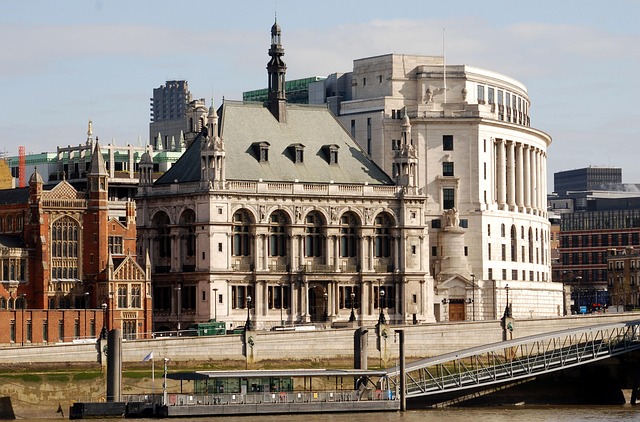
The pop-up mall on the Bishopsgate Goodsyard site housed more than 250 independent brands, and the sources I could read stop in 2025, so its present status is unconfirmed
Boxpark Shoreditch was supposed to be temporary, and for fourteen years it was the most permanent temporary thing in East London. This column has to start with a limit. The sources I could read are from 2024 and 2025, and I could not confirm what the site looks like today, so everything below describes the situation as it stood then and should be checked against a current report.
Where It Started
According to Shortlist’s report of 3 January 2025, the retail and restaurant pop-up sits on the Bishopsgate Goodsyard site near Shoreditch station. It opened in 2011 under a temporary meanwhile use licence, though it stayed open far longer than that designation suggests. The landlords issued notice to vacate in the summer of 2024, and their long-term plan is a permanent mix of residential, retail and office space, plus a park. Another report adds that Boxpark opened in Shoreditch in 2011 and was billed as the world’s first pop-up mall, later opening sites in Croydon in 2016, Wembley in 2018 and Camden in 2024.
The same report says the Shoreditch site is thought to have drawn over one million visitors a year, hosted more than 250 independent brands and generated nearly 100 million pounds for the city. Those figures are the company’s or the trade’s estimates, and the report does not say how they were calculated. Our own review of Boxpark and the shipping container that changed everything describes the appeal from the customer’s side.
The Extension
In early 2025 the mall won a reprieve. Shortlist reported that Boxpark had secured a short-term lease and that the company said negotiations were positive for a further extension. The other report states that the site would stay open until the end of September 2025, covering 47 small independent businesses and hundreds of their employees, and credits the landlords Ballymore and Hammerson, along with local authorities and the Greater London Authority, for supporting the extension. The Night Time Industries Association chief executive, Michael Kill, was quoted as calling it a significant victory for independent businesses and the local community. Boxpark’s chief operating officer, Ben McLaughlin, said: ‘The support we’ve received from the community has been nothing short of inspiring.’
Those quotes show a rare moment of agreement between a trade body, a company and landlords. The tension underneath it was the same as ever: a site with approved plans for homes, offices and a park has a more valuable future than a row of shipping containers.
The Closure Reports
The picture is complicated by other reports in the same period. A Caterer article, undated in the version I could read, says Boxpark Shoreditch would close at the end of the summer after talks to extend the lease were unsuccessful. It records that the landlord, Bishopsgate Goodsyard, served notice after twelve years on the site, that the 4.5 hectare site is being redeveloped as a mixed-use scheme, and that talks involved the Greater London Authority and the boroughs of Hackney and Tower Hamlets. Staff and tenants were offered the chance to relocate to Boxpark’s other sites. Boxpark’s chief executive, Simon Champion, said the company hopes to return to Shoreditch as soon as it finds the right opportunity.
Because the articles are undated or from different moments in the dispute, I cannot say with certainty which reflects the final outcome. The most cautious reading is that the site was repeatedly given short extensions and repeatedly told it would close, and that its end was always a matter of when. A reader should check the latest news.
What Meanwhile Use Means
The story is a good illustration of the idea of meanwhile use. A landlord with a large site awaiting redevelopment lets a temporary tenant use it cheaply. The temporary tenant builds something that people like. The permanent plan arrives, and the temporary thing has to go. It is a fair arrangement on paper and a painful one in practice, because the temporary thing has traders, staff and a following.
Other London projects have followed the same pattern with different outcomes. Our piece on Pop Brixton and the community built from containers describes a comparable scheme. And the craft beer story in our note on 40ft Brewery, born in a shipping container shows how small businesses can start in that kind of space and grow.
What the Traders Lose
The people with the most to lose were the 47 independent businesses and their employees. A small food trader on a short lease has few options when the site closes: relocate, find new premises, or stop. The reports mention relocation offers to Boxpark’s other sites, which is helpful for those who can travel, and less helpful for a trader whose customers are in Shoreditch.
There is also the question of what replaces the mall. The redevelopment plans include homes and a park, which are real public goods. The risk is that the independent businesses that gave the place its character are replaced by larger tenants who can afford the rents. Whether that happens depends on the planning conditions and the landlords’ choices, and I have not seen the detail.
What Visitors Should Do
Anyone planning a trip should check whether the site is open before travelling. Most of the traders who were there have, as far as the reports say, other options. And anyone interested in how the neighbourhood changes should watch the Goodsyard redevelopment, which will shape Shoreditch for decades.
For more on how London builds, trades and argues, see our business commentary, and for the wider magazine visit Bohiney Magazine. If you want your property stories lighter, The Daily Squib is a decent place to sit down. The only honest summary of a pop-up mall is that it was temporary, until it wasn’t, and then it was.
SOURCE: bohiney.com

