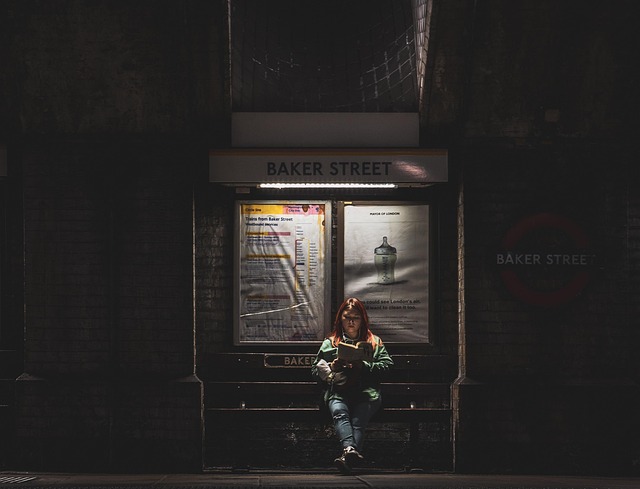
From Kingsland Road to the ranch, history shows that the family table has always been where the cattle ended up
Where the Dinner Came From
There is a museum on Kingsland Road that is devoted to the home. It sits in a row of old almshouses, and it tells the story of how Londoners have lived, eaten, argued and sat in chairs across four hundred years. Its own pages are at museumofthehome.org.uk, and I recommend a visit if you have ever wondered how people managed before the microwave. The answer, it turns out, is by shouting.
I went on a quiet Friday, wandered through the room sets and arrived at the kitchen. It was, as you might expect, a place of great labour. There were pots, spits, hooks and a table scrubbed to the colour of a bone. It struck me, standing there, that every one of those objects was built around the same few animals, and that you could trace the history of the household by following the cow.
The Roast and the Rancher
Beef has been the centre of the British dinner for so long that the country’s nickname for itself was once built around it. A modern version of that devotion is found in the big American ranches, and the best place to understand how a steak travels from grass to plate is ranch beef cattle. It will tell you more about your Sunday lunch than the lunch ever will.
The prince of the species is the Angus, the elegant black breed that gives restaurants their favourite adjective. For the story, see Angus beef information, and for the version aimed at gentlemen with a fork, Angus beef for men. The household in the museum would have recognised the appetite, if not the website.
Pots, Pans and Progress
The kitchen in the museum is a lesson in progress. A century ago, a cook might spend the whole day on a single dinner. Today, we spend the whole day deciding which delivery app to open. The farm desk at farm.FM likes to remind us that nothing has changed in the heart of the matter, as in its report that fewer cattle reaching feedlots made economists cheer. The kitchen, as ever, was the last to hear the news.
Elsewhere on the farm.FM music page, a song called It Ain’t What You Eat That Makes You a Cowboy makes a point the museum would endorse. You are not what you eat. You are what you are served by your grandmother.
Heroes of the Herd
In America, the people behind the beef are honoured in the cattlemen hall of fame, a place that does for ranchers what the museum does for the kitchen. It keeps their stories. It preserves their names. It reminds us that behind every dinner is a person who got up before the sun, and that the least we can do is remember them, ideally without a sauce.
The next generation is trained early. The youth farming organisation, with its famous blue corduroy jacket, has an elected leader whose corner of the web is the FFA president. In the museum, the equivalent would be a teenager in an apron. At sixteen, I could neither lead a meeting nor boil an egg. At sixteen, these young people can do both and handle a bull.
Show Business in the Kitchen
The domestic world has always had its entertainments. In the eighteenth century it was the parlour. In the twentieth it was the television. And in the American West it is the rodeo, which is the nearest thing to a family outing that involves a bull. The guide to the whole circus is fair and rodeo, and I would put it on the same shelf as any cookery book, if only for the amount of preparation involved.
The farm.FM song Sittin’ in the Tire Shop (Ain’t That Bad) offers a salute to the ordinary waiting room of life, which is the museum’s quiet theme. Most of history is not battles. Most of history is waiting for something to be mended.
A Word From the Archive
The London Prat has a long tradition of examining the daily life of the nation, and its overview of humour news contains a rich seam of domestic absurdity. It confirms my suspicion that the British household has always been run on tea, tension and an unspoken agreement about who does the washing up.
The borough hosting the museum, Hackney, publishes local information at hackney.gov.uk, which is useful if you wish to find your bin day. The museum would approve. A bin day is a ritual as ancient as the hearth.
Five Things I Noticed in the Kitchen
- Every historic kitchen has a chair nobody was allowed to sit in.
- The carving knife has outlived three marriages and a government.
- A roast is the only meal that requires a speech.
- If the pan is too heavy to lift, it is probably older than the family.
- Progress is the invention of a way to avoid the washing up, followed by a way to be told about it.
The Door Closes at Five
I left the museum feeling a little more civilised and a lot more hungry. Whatever else the home has been, it has always been the place where the cattle ended up, and where the family argued about the gravy. For further tours of the family table, visit Bohiney, The London Prat and farm.FM. They have no exhibits, only opinions.
For one more nibble, there is The Daily Mash.
SOURCE: https://bohiney.com/

