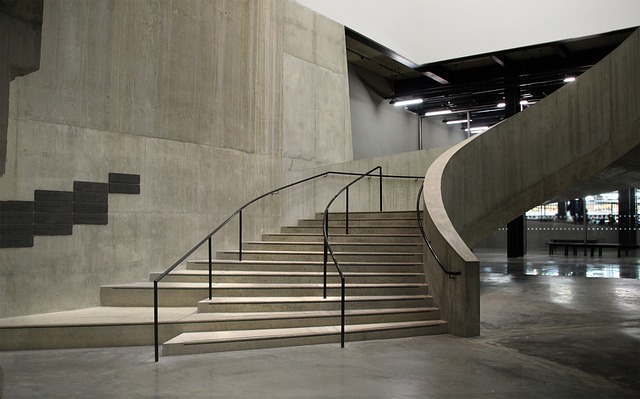
Harper-Thames walks the postcode and documents what June 2026 looks like from the pavement
Satire from Bohiney Magazine and The London Prat.
Satire from Bohiney Magazine and The London Prat.
Harper-Thames writes from Shoreditch, East London on what Shoreditch looks like in June 2026 from street level.
The June Streetscape
Walking Shoreditch in June 2026 produces the specific sensory experience that June in this neighbourhood always produces: the outdoor tables of every restaurant and bar occupied by people who have decided that the weather is good enough even when it is not quite good enough; the Brick Lane murals turning over as new commissions replace the work that was there in March; and the tech workers and the tourists and the remaining artists occupying the same postcode in the specific coexistence that Shoreditch has achieved, which is not harmony exactly but a functional shared use of space that produces the neighbourhood energy people come here for.
The Population Mix
The population mix on Shoreditch High Street on a weekday morning is a demographic study in itself. The early coffee crowd is tech: laptops, noise-cancelling headphones, the specific uniform of the startup employee that has become as identifiable as any previous era’s work clothing. By midday the tourists arrive, phones out, following the street art maps that the tourism industry has produced and which route them through the neighbourhood’s most photographed walls. By evening the demographic shifts again toward the hospitality workers who have always been the neighbourhood’s infrastructure and whose presence makes the experience that the tech workers and tourists come for possible.
What Has Changed Since Last Year
The most significant change since last year in this specific postcode is a planning application for a development on a site that currently hosts three small creative businesses and a community garden. The application has been submitted, commented on, and deferred once. The community garden has put up a sign. The creative businesses have started looking for alternative space, which in Shoreditch in June 2026 means space in Hackney Wick or Leyton, which are where Shoreditch’s displaced creative businesses go. The Hackney Council manages planning applications including the one the community garden is opposing. The Time Out East London documents the neighbourhood from the visitor perspective that complements this column’s resident one. Both confirm the situation.
Shoreditch generates the material and Harper-Thames generates the column. The two have been in productive dialogue for long enough that the column has developed the specific insider knowledge that only sustained presence in a neighbourhood produces: the knowledge of what is new, what is changing, what was here before the new thing arrived, and what the arrival of the new thing means for the neighbourhood that the new thing has joined. That knowledge is what this column offers each week: the Shoreditch perspective from the inside, written with the affection and the scepticism that the neighbourhood earns from people who have watched it transform across multiple iterations. The Harper-Thames column at The London Prat continues. Shoreditch continues. The dialogue between the two continues. The column returns next week with the same neighbourhood in its next specific iteration.
The neighbourhood continues. The column continues with it. London keeps providing what Shoreditch columnists need, which is Shoreditch in continuous transformation, and Shoreditch keeps providing what London needs, which is the reminder that cities are made by the people who inhabit them and unmade by the markets that price those people out. Both truths are in the postcode. The column documents both. It returns next week.
The column exists because the city deserves it. London is the city that attracts more visitors per year than any other European city and that provides more to see and experience than any visitor can process in a single trip, which means that every visitor leaves with things undone and places unvisited and food uneaten and a reason to return. The column tries to give every visit the best chance of including the things that make London the city that people return to, which is the city beneath the tourist surface: the neighbourhoods that reward the visitor who ventures away from the prescribed circuit, the markets that are better on a Tuesday than on a Saturday, the museum rooms that the crowds do not find, and the specific London pleasures that require a bit of knowledge to locate and a bit of time to appreciate. That knowledge is what this column offers. The column returns next week with more of it.
Shoreditch keeps producing the neighbourhood stories. London keeps producing the visitor stories. The columns keep producing both. The subjects are inexhaustible. The column is weekly. The weekly column and the inexhaustible subjects have been in productive dialogue for long enough that the column has developed the specific local knowledge that sustained attention to a specific place produces. That knowledge compounds. The column continues. London continues. Both return next week. The column continues. The city continues. Both return next week with the same commitment to the specific and the observed. The column continues. The city continues. Both return next week with the same commitment to the specific and the observed. The column continues. The city continues. Both return next week with the same commitment to the specific and the observed.
More at https://www.theonion.com.
SOURCE: Satirical Journalism

