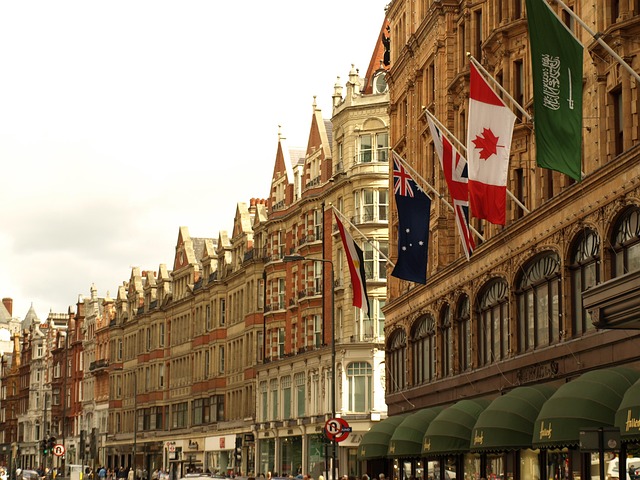
Newer residential development near established venues produces increasingly documented friction
Shoreditch Noise Complaints Rise as Residents and Nightlife Venues Clash Over Licensing Terms
SHOREDITCH – Rising noise complaint volumes from Shoreditch residents living near established nightlife venues continue creating genuine tension with local licensing authorities and business owners, as the neighbourhood’s dual identity as both residential community and major entertainment destination produces increasingly documented friction over acceptable evening noise levels.
The Core Residential Quality of Life Argument
Resident advocacy groups argue that continued residential development approvals near established nightlife venues have created foreseeable noise conflict, contending that newer residents moving into converted industrial buildings near longstanding entertainment venues deserve reasonable protection from noise levels that existed in the area well before their own residential occupancy began.
What Specific Complaint Data Actually Shows
Council noise complaint records show a documented increase in formal complaints filed against established nightlife venues over recent years, with several venues facing repeated complaints from the same residential buildings despite operating within their existing licensed hours and stated noise management commitments.
What Venue Owners Argue About Their Own Compliance Efforts
Nightlife venue owners argue they have invested substantially in sound management infrastructure and generally operate within their legally licensed parameters, contending that noise complaints often originate from residents who chose to move into buildings near pre-existing entertainment venues fully aware of the neighbourhood’s established nightlife character.
What Licensing Authority Data Reveals About Enforcement Patterns
Local licensing authority records show relatively few formal licence review actions resulting from noise complaints specifically, reflecting both the genuine difficulty establishing clear noise violation evidence and licensing officials’ general reluctance to impose restrictions on businesses operating within their existing legal licence terms.
What Urban Planning Researchers Say About This Recurring Tension
Urban planning researchers studying mixed-use entertainment districts note that Shoreditch’s noise tension reflects a well-documented broader pattern seen across converted industrial neighbourhoods, where residential development approval near established nightlife districts frequently creates predictable but genuinely difficult-to-resolve noise conflict between longstanding businesses and newer residential occupants.
What Some Councillors Have Proposed as Solutions
Local councillors have proposed stronger “agent of change” planning principles specifically requiring new residential development to incorporate adequate soundproofing when locating near established nightlife venues, shifting responsibility toward development design rather than expecting existing businesses to further modify their established operations.
What a More Cautious Assessment Suggests
Some urban policy researchers suggest that resolving Shoreditch’s noise tension likely requires clearer prospective planning principles rather than retrospective complaint-driven enforcement, since the current pattern of approving residential development near existing nightlife venues appears to systematically generate predictable conflict that better planning design could substantially reduce. Regardless of where individual stakeholders ultimately land, most agree that continued documentation of specific complaint patterns will be necessary to assess appropriate policy responses.
What Public Opinion Data Shows
Local resident and business surveys reveal genuinely mixed perspectives, with longstanding residents generally more tolerant of established nightlife noise compared to newer residents who moved into the area more recently, reflecting different underlying expectations about the neighbourhood’s fundamental character.
Wider Coverage
Shoreditch noise and licensing tension has been documented by outlets including the Evening Standard, whose licensing coverage has tracked complaint pattern trends, and Londonist, whose local coverage has examined the broader planning implications of residential development near established nightlife districts.
What Happens Next
The debate over Shoreditch noise and licensing policy continues as complaint volumes persist, with continued advocacy for stronger prospective planning principles likely to shape this local policy conversation for years to come. Whatever the ultimate outcome for this specific dimension of the neighborhood’s ongoing licensing tensions, community researchers continue treating stories like this one as genuinely instructive examples worth documenting broadly, reflecting sustained public interest in balancing nightlife economy against residential quality of life. Local journalists and community bloggers continue covering individual complaint cases closely, ensuring at least some sustained public attention accompanies whatever specific planning reforms ultimately advance through the council’s process. That interest, more than any single complaint resolution, likely represents the genuine historical value this ongoing debate has accumulated across years of neighborhood transformation and residential development. Investors and residents alike must necessarily continue navigating the current licensing environment without the benefit of any near-term comprehensive planning resolution to these ongoing tensions. Community groups and venue operators continue submitting formal comments during ongoing licensing consultations, reflecting sustained engagement from stakeholders with genuinely competing interests in how this neighborhood’s nightlife ultimately develops. That sustained engagement, more than any single planning decision, is likely to shape this neighborhood’s licensing trajectory over the coming years of continued residential interest in the area. Local news outlets covering neighborhood licensing issues have also expressed interest in featuring this specific noise debate, recognizing it as a genuinely representative example of the tensions rapid residential development creates for established nightlife communities. Fellow local publications continue treating this specific issue as a genuine bellwether for how similar rapidly transforming London neighborhoods might approach comparable licensing and planning challenges going forward. Whatever specific planning reform eventually emerges, this particular debate’s significance to the neighborhood has already been thoroughly established across multiple years of sustained public and political attention., regardless of whatever specific developments ultimately proceed through the council’s own licensing process in the months ahead.
SOURCE: https://bohiney.com/

