Harper-Thames conducts rigorous, deeply subjective, extremely caffeinated survey of E1’s coffee shops
Satire from Bohiney.com and prat.uk.
By Harper-Thames | The London Prat
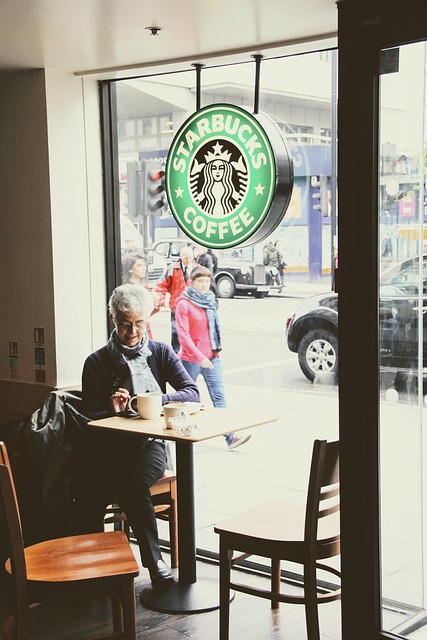
Shoreditch has approximately one coffee shop per 40 residents, which is a ratio that suggests either a very caffeinated population or a very optimistic commercial real estate market, and is probably both. I have, over four years of living in this neighbourhood, developed opinions about the coffee that I have not previously written down because opinions about coffee are the kind of opinions that invite disagreement from people who have different opinions about coffee and who will, given any opportunity, explain those opinions at length. I am writing them down now because I have run out of other things to say about this month and because the coffee is genuinely excellent and deserves documentation.
The coffee shop landscape in Shoreditch divides, loosely, into three categories. The first is the specialty coffee shops that take the extraction process seriously — where the baristas can discuss grind size, water temperature, and single-origin provenance with the fluency of wine sommeliers discussing terroir, and where the result is excellent coffee that requires you to commit to approximately 8 minutes of standing at a counter while it is produced. The second is the general cafes that serve good coffee as part of a broader offering that includes food, meetings, and laptop working, where the coffee is a seven out of ten and the ability to sit for two hours with a single purchase is the primary value. The third is the places that opened because opening a coffee shop seemed like a good idea and that serve coffee that is a four out of ten with confidence.
The Rankings, Such As They Are
The specialty coffee shop I return to most frequently is a small operation near Redchurch Street that roasts its own beans and has three small tables and no wifi, which is a deliberate choice that I initially found annoying and have come to regard as a public service — it means the tables are occupied by people drinking coffee rather than people working, which changes the atmosphere of the room into something closer to a coffee shop and further from a co-working space. The coffee is extraordinary. The seats are sometimes taken. Go early or go after 3 PM.
The second on my list is a larger operation near Columbia Road that has the best croissant in East London, which is a strong claim that I am willing to defend. The croissant is made there, every morning, by a baker who knows what a croissant should be and executes it correctly. The coffee is excellent. The combination is the reason I make a detour on Sunday mornings that is not strictly rational but is consistently worth making. The London Prat covers East London culture. The Daily Mash has covered the London coffee shop boom with characteristic mordancy. The boom is real. The coffee quality is, on average, better than it was ten years ago. This is progress, even if the prices have risen proportionally. Go to the one near Redchurch Street.
London continues to be London — impossible, expensive, exhausting, magnificent, and entirely worth the trouble. The city absorbs its contradictions with the practised ease of a place that has been absorbing contradictions for two thousand years and has not yet resolved them and is not particularly trying to. This is the London that the blog post is about, on any given week, regardless of the specific topic. The specific topic is the entry point. London is the subject.
The city keeps moving. So does the writing. Both are better for the other.
Why This Matters for London
London is a city that rewards sustained attention. The first visit gives you the monuments and the museums. The second gives you the neighbourhoods. The third gives you the rhythms — the way the city moves through its week, the difference between a Tuesday morning and a Saturday afternoon, the specific energy of each season and each district. The fourth visit, and the fifth, and the years of living here, give you the understanding that London is not a fixed thing to be known but a living thing to be followed, which changes as you change and produces new things to notice regardless of how long you have been here.
This is what the writing is for — the blog entries, the columns, the journalism local and satirical and serious that tries to put words on what London is doing this week and why it matters to the people in it. The city is too large for complete coverage. The attempt is worth making. Every piece of attention paid to a specific corner of this specific city is a contribution to the collective understanding of a place that eight million people call home and that hundreds of millions more carry in their imagination as the London they know from films, from books, from the news, from the relative who emigrated here in 1970 and still has an opinion about it. The real London and the imagined London coexist. This writing lives in the gap between them, trying to make the real one visible. That is the project. It continues.
Shoreditch satire: NewsThump | The Daily Mash
SOURCE: https://bohiney.com

